
初心者向け天文学の基礎
初心者向け天文学の基礎
多くの人は科学のことを話すために上級英語が必要だと考えます。私はそうは思いません。天文学は私の専門のひとつで、初級者の方にも大きなコンセプトであっても簡単な単語で説明できると見せるのが大好きです。私の好きなレッスンの始まりは、ひとつの質問から始まります。「 How far is one light year? (1光年はどれくらいの距離ですか?)」(光年とは、光が1年間に進む距離の単位)
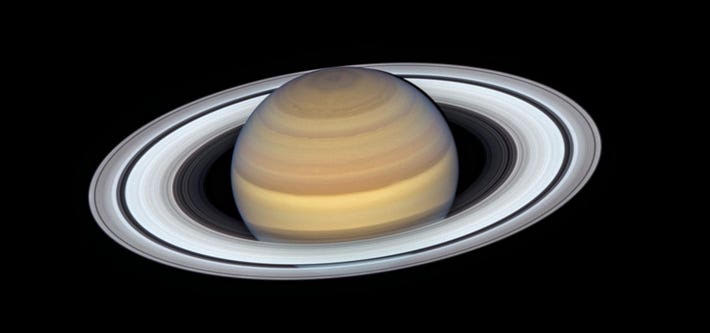
計算してみましょう
数学の基礎がわかっている生徒様とは、一緒に考えます。例えば、ホワイトボードにこのようなことを書いてみます:光は1秒に約30万km進みます。30万kmに60を掛けて1分、さらに60を掛けて1時間、24を掛けて1日、そして365を掛ければ1年です。最初の質問の答えは、だいたい9.5兆km。これが1光年の距離です。
“trillion 兆”を英語で声に出して言う、ゼロの数を数える、そしてそれぞれの段階を説明することは、英語の数字や単位、スピーキングの実践的な練習になります。生徒様は英語と天文学を同時に学んでいるのです。
UFOを見つける確率
1光年の大きさがどれくらいかということが分かったところで、私は次の質問をします。「What are the odds of discovering an alien or a UFO? (エイリアンやUFOを発見する確率はどれくらい?)」私たち太陽系を含む星の集団、天の川銀河は(※近い言葉の“銀河”は天の川銀河ほかの、宇宙にある無数の星の集まりを指す)、直径約10万光年と考えられています。私たちはその距離を想像してみて、それが何を意味するのか話し合います。その可能性はあるのか?不可能なのか?なぜ、またはなぜだめなのか?これに対する正しい答えはありませんので、生徒様は“probably, maybe, I think”という表現を使い意見を出し、彼らの考えを主張します。こういった会話こそが、私がスミス英会話甲東園校の英会話レッスンで行いたい会話です。
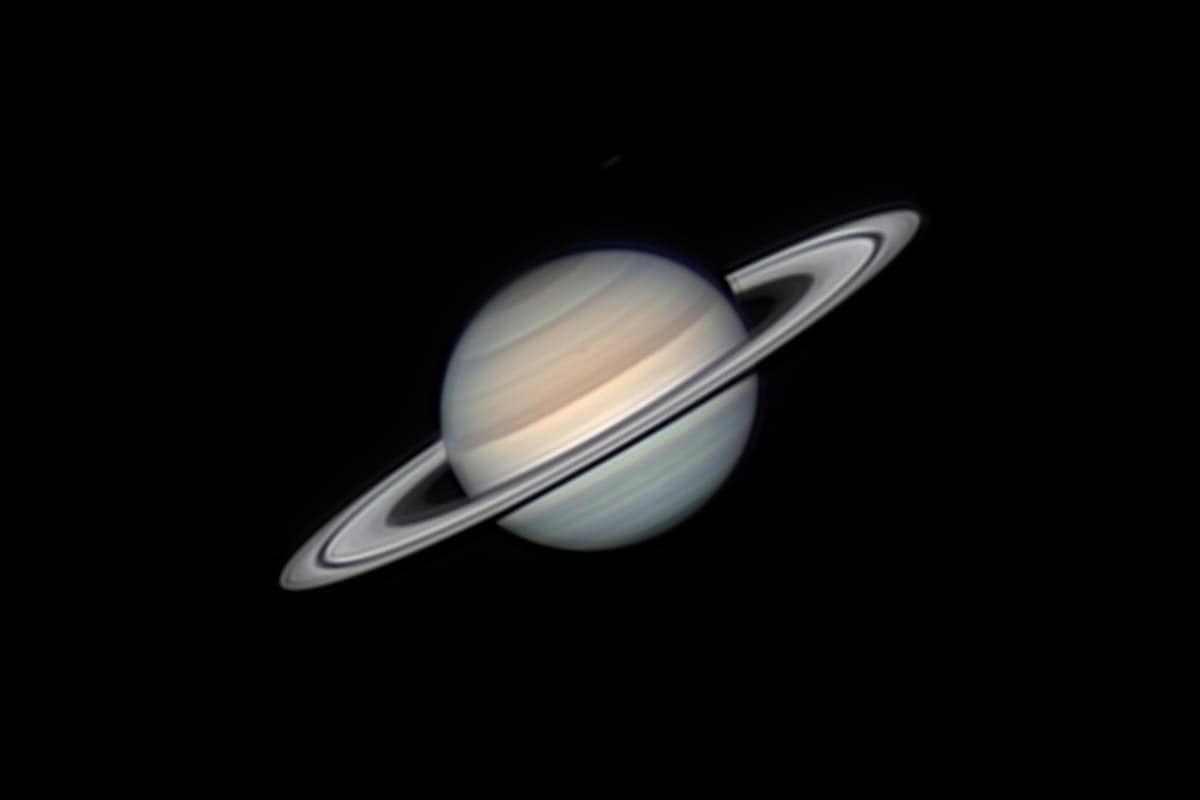
土星はあなたを待っている
この英会話レッスンの話題は実はタイムリーで、現在土星が逆行しているのです。(2026年7月27日~12月11日)逆行により地球から一番近くて空で明るく見えるので、西宮から夜きれいに見えます。小さな望遠鏡や赤道儀(地球の自転による星の日周運動を相殺し、天体を視野に固定して追尾するための望遠鏡やカメラ用の架台)といった適切な機材があれば、みなさんも見ることができます。テキスト本ではただの丸いものに見える惑星が、自分の目で見るととてもリアルなものになります。
私が天文学の話をする理由
私は生徒様が英語の訳するのを止めて単純に不思議に思う瞬間が大好きです。天文学は英語初級者から上級者まで、日常生活以上の会話の話題になります。英語を学ぶことが教科としての勉強というよりも、宇宙について知るための手段になります。
もし星について興味があれば、もちろん英語に興味がある方もスミス英会話甲東園校へお越しください。一緒に空を見上げましょう。
スミス英会話甲東園校 マーティン・ワーナー・ザンダー
Basic Astronomy for Beginners: How Far Is a Light Year?
Many people assume you need advanced English to talk about science. I disagree. Astronomy is one of my specialties, and I love showing beginners that big ideas can be explained with simple words. One of my favorite lessons starts with a single question: how far is one light year?
Let's Do the Math
For students who are comfortable with basic math, we work things out together. For example, on the white board we might try something like this : Light travels about 300,000 kilometers in one second. We multiply by 60 for a minute, by 60 again for an hour, by 24 for a day, and by 365 for a year. The answer is roughly 9.5 trillion kilometers. That is the distance of just one light year.
Saying "trillion" aloud in English, checking the zeros, and explaining each step is real practice in numbers, units, and clear speaking. The students are learning English and astronomy at the same time.
Is Anyone Out There?
Once we know how big one light year is, I ask the next question: what are the odds of discovering an alien or a UFO? Our galaxy, the Milky Way, is about 100,000 light years across. We try to imagine those distances, and then we talk about what they might mean. Is it likely? Is it impossible? Why or why not? There is no single right answer, so students have to give opinions, use words like probably, maybe, and I think, and defend their ideas. That is exactly the kind of conversation I want in my classroom.
Saturn Is Waiting for You
This lesson is especially timely right now. Saturn is at opposition, which means it is closest to Earth and brightest in the sky, so evening views from Nishinomiya are good. With the appropriate equipment, such as a small telescope on an equatorial mount, you can see it for yourself. A planet that looks like a dot in a textbook becomes something real when you see it with your own eyes.
Why I Love Teaching This
What I love most is the moment when a student stops translating and simply wonders. Astronomy gives every level, from beginner to advanced, something to talk about that is bigger than daily life. Learning English becomes a means of exploring the universe rather than just a subject to study.
If you are curious about the stars, or just curious about English, come and visit Smith's School of English Kōtōen. Let's look up together.
Martin Werner Zander
Smith’s School of English Kotoen
スミス英会話 甲東園校 月謝制
Contact us today to schedule your free trial lesson.